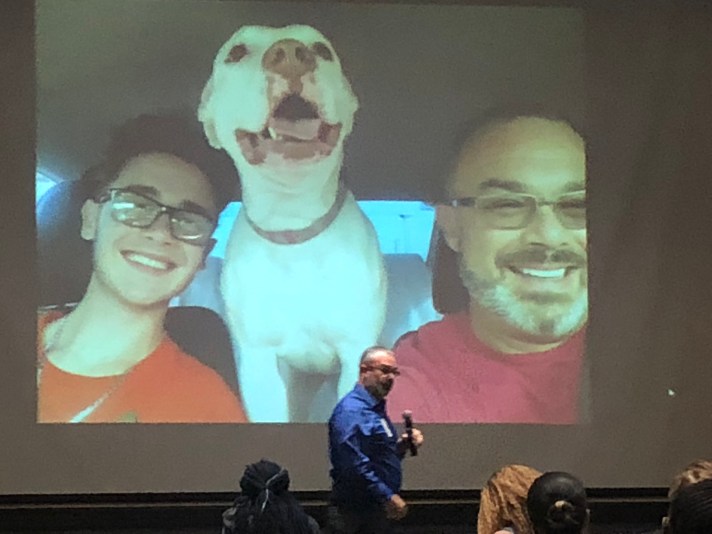
This is a talk at the Memorial Hospital Organ and Tissue Symposium. Legacy and purpose are the topics !!!
This is a talk at the Memorial Hospital Organ and Tissue Symposium. Legacy and purpose are the topics !!!
An individual and an organization’s ability to reach their maximum potential surrounds their capacity to manage change. The need to reframe change management into perspectives that surround communication and accountability are crucial. As Carsten Tams (2018) posits, while managers are busy relentlessly communicating about the change imperative, the design of many organizations slants the playing field toward controllability, stability, routinization, risk-avoidance, zero-tolerance for error, or deference to authority. The “slanting” creates an atmosphere where fluid and transparent communication is stifled. Today’s leaders are stagnating because of a hyperacute focus on controllability, stability, and routinization. All three are the antithesis of innovation, creativity, and inclusivity, which are the backbone of productive organizational cultures. (Nagelbush 2020)
The two most critical components of market segmentation are demographics and Psychographics. Demographics and Psychographics help companies and brands understand who to target, where to target, and how to focus (Samudzi, 2018) Communication as a form of marketing is not merely an approach to getting consumers’ products; instead, marketing/communication is how leaders create cultures of buy-in, which foster inclusivity. Inclusivity as a source of competitive advantage is where every leader must take their focus. At this junction, I see a disconnect, and I feel that organizational cultures must look at communication as a way to create cultures of inclusivity that focus on needs.(Nagelbush 2020)
 THE CHANGE MENTOR