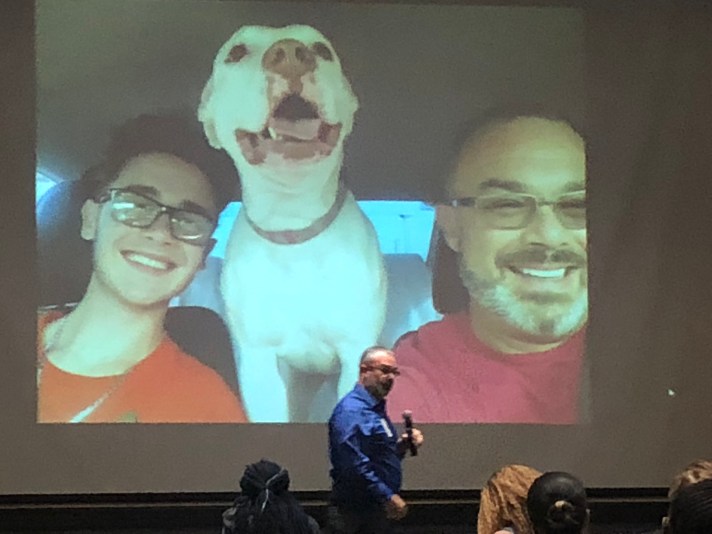
This is a talk at the Memorial Hospital Organ and Tissue Symposium. Legacy and purpose are the topics !!!
This is a talk at the Memorial Hospital Organ and Tissue Symposium. Legacy and purpose are the topics !!!
I am a transformational leader who believes that shared goals are the key to cohesion. Sharing goals and positively inspiring changes and those who follow me is key to my success. Helping every member of the group succeed While remaining enthusiastic, passionate and process-driven is not only “part of my True Colors” Personalized report; it is also vital two the success of a transformational leader. Although I feel I have a hybrid approach, the contingency model that I most relate to is the Vroom-Yetton contingency model. This particular theory believes decision making is a crucial element of leadership and determines the relationship between the leader and their team members. Because change must be the plan for an anticipated and predicted as accurately as possible, the need to embrace a contingency model is critical. The model will only work if they are effective healthy relationships established. Building and maintaining this relationship affects a leader’s success. This particular theory promotes a style that insurers leaders provide decision-makers with all of the resources and information they need to make decisions.
The primary methods and techniques that I use as a leader two either create follower motivation or increase motivation, and contingency leadership are the same regardless of company size structure or status. My leadership style relies on inclusion, which requires useful communication links that are transparent and efficient. Since my approach focuses on the Vroom-Yelton model towards contingencies, the only way I can be successful is if I focus on establishing healthy relationships. When I’m consulting, I can often measure and the organization’s problem-solving capacity buy it relationship healthiness. What I mean is leaders’ managers and staff must all have healthy communication if an inclusive relationship. Vroom and Yetton (1973) is a critical aspect of leadership, a style where the leader encourages his subordinates’ participation in decision-making. They describe a normative model that shows the specific leadership style called for in different classes of situations.
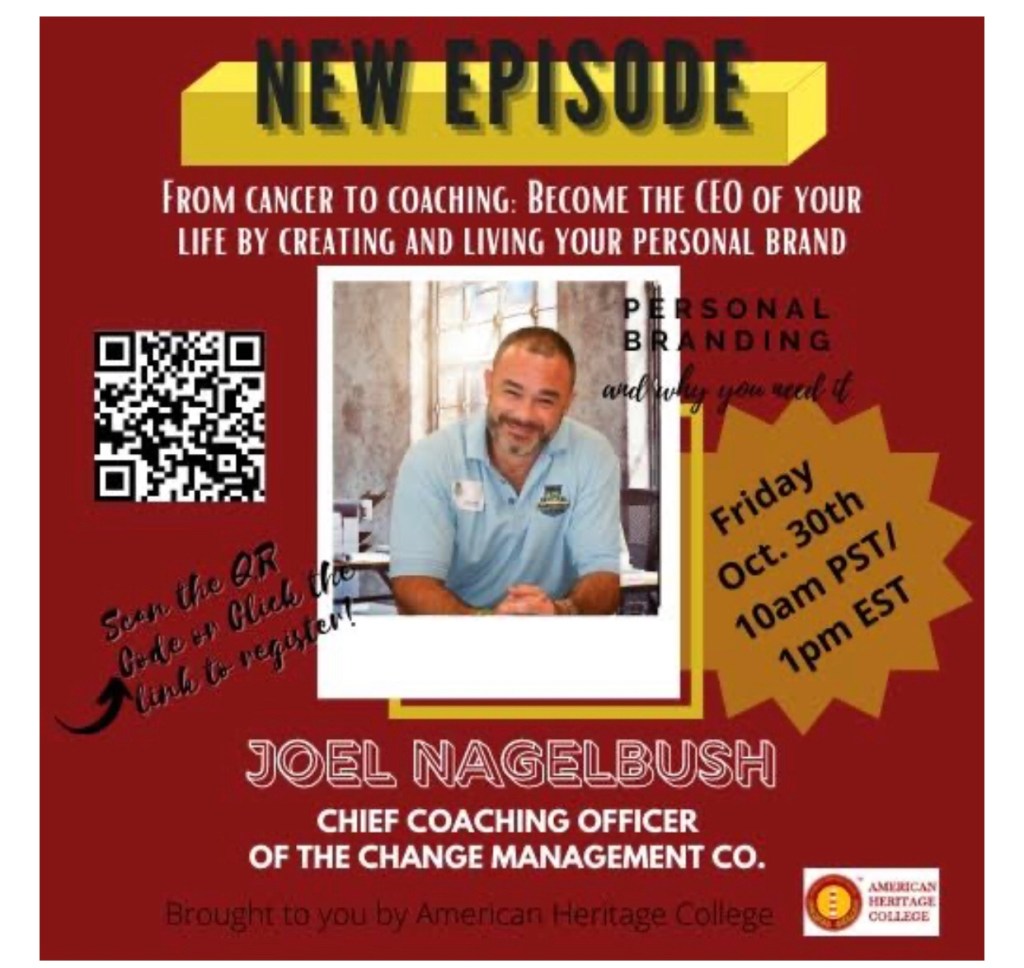
An individual and an organization’s ability to reach their maximum potential surrounds their capacity to manage change. The need to reframe change management into perspectives that surround communication and accountability are crucial. As Carsten Tams (2018) posits, while managers are busy relentlessly communicating about the change imperative, the design of many organizations slants the playing field toward controllability, stability, routinization, risk-avoidance, zero-tolerance for error, or deference to authority. The “slanting” creates an atmosphere where fluid and transparent communication is stifled. Today’s leaders are stagnating because of a hyperacute focus on controllability, stability, and routinization. All three are the antithesis of innovation, creativity, and inclusivity, which are the backbone of productive organizational cultures. (Nagelbush 2020)
An individual and an organization’s ability to reach their maximum potential surrounds their capacity to manage change. The need to reframe change management into perspectives that surround communication and accountability are crucial. As Carsten Tams (2018) posits, while managers are busy relentlessly communicating about the change imperative, the design of many organizations slants the playing field toward controllability, stability, routinization, risk-avoidance, zero-tolerance for error, or deference to authority. The “slanting” creates an atmosphere where fluid and transparent communication is stifled. Today’s leaders are stagnating because of a hyperacute focus on controllability, stability, and routinization. All three are the antithesis of innovation, creativity, and inclusivity, which are the backbone of productive organizational cultures. (Nagelbush 2020)
The business world forgot about inclusivity and instead used communication tools to avoid discriminative environments, which was and is still needed. The need to communicate and be inclusive around communication is because inclusion can only happen with effective communication and as an organization, and a Decent Human Being, you want the most highly qualified candidates of people and employees in your environment. In most instances, the business benefits via inclusion, because a melting pot of ideas and creativity is capable of bringing more vision to the production process. But in a job that requires no creativity, diversity issues do not necessarily change the outcome. Communication remains very important, regardless of the job functions in a diverse work environment. (Nagelbush 2020)
The two most critical components of market segmentation are demographics and Psychographics. Demographics and Psychographics help companies and brands understand who to target, where to target, and how to focus (Samudzi, 2018) Communication as a form of marketing is not merely an approach to getting consumers’ products; instead, marketing/communication is how leaders create cultures of buy-in, which foster inclusivity. Inclusivity as a source of competitive advantage is where every leader must take their focus. At this junction, I see a disconnect, and I feel that organizational cultures must look at communication as a way to create cultures of inclusivity that focus on needs.(Nagelbush 2020)
The strategic approach to change management and inclusivity must comprehensively investigate the impact and influence of a lack of inclusivity in organizations—deficiencies in dealing with and finding opportunities for growth within the disruption of change agents when they arise. The strategies and skills required to identify the business problem which drives the projects that I’m selecting surround every organization’s ability to realize the opportunity that comes with the disruption of change. Analyzing strengths and weaknesses and threats provide a chance to see where an organization may be deficient, which allows this author to realize the core competencies of the problem at hand.
Change is one of life’s inevitabilities. Identifying the importance of a strategic and innovative approach to change management is an efficient pathway to sustainable competitive advantage. Aladwana (2001) agrees that top management should proactively deal with this problem instead of reactively confronting it. By leaning into the chaos manifested through change agents, companies can begin to embrace change actively and therefore find purpose in it. Being able to adapt and embrace change agents and the chaos that they foster provides an opportunity to analyze data and more accurately define problems as they arise. (Nagelbush 2020)

 THE CHANGE MENTOR